Historic homes have a timeless charm and character that modern construction simply can’t replicate. From original woodwork to handcrafted details, every feature tells a story. One of the most defining—and often overlooked—features of older homes is the original plaster used on walls and ceilings.
At Creative Construction of Wisconsin, we specialize in the careful restoration of historic plaster, preserving the integrity, beauty, and value of your home. Here’s everything homeowners need to know about why plaster matters and how to keep it looking its best.
Why Is Original Plaster So Valuable?
1. Durability: Traditional plaster is far more durable than modern drywall. When maintained, it can last well over 100 years.
2. Aesthetic Appeal: The texture, depth, and slight imperfections of hand-applied plaster bring warmth and authenticity that drywall lacks.
3. Sound Insulation: Plaster provides superior soundproofing, making homes quieter and more comfortable.
4. Eco-Friendly: Made from natural materials like lime, gypsum, and sand, historic plaster is environmentally friendly.
Common Plaster Problems in Historic Homes:
– Hairline cracks from natural settling
– Large structural cracks
– Bulging or detaching from the lath
– Water damage and staining
– Surface deterioration due to age or neglect
These issues often arise from moisture intrusion, structural shifts, or simply the passage of time.
Our Approach to Plaster Restoration:
At Creative Construction of Wisconsin, we don’t just “patch and paint.” We take the time to:
1. Assess the extent of damage thoroughly.
2. Identify moisture sources or structural issues that may be contributing to the problem.
3. Reattach or reinforce lath where needed.
4. Use authentic materials that match the original composition and texture.
5. Apply seamless repairs, preserving the character of the original plaster.
Texture Matching:
One of the most challenging aspects of plaster repair is matching the original texture. Each home is unique, and often each room has a slightly different look. Our skilled craftsmen carefully recreate textures—whether smooth, sand finish, or hand-troweled.
Why Not Just Replace with Drywall?
Many homeowners consider replacing old plaster with drywall, but doing so erases an essential part of the home’s history. Additionally:
– Drywall doesn’t breathe the way lime-based plaster does, which can trap moisture.
– Drywall lacks the acoustic qualities of thick plaster.
– Removing plaster can damage original framing, trim, and other architectural elements.
Preserving plaster maintains the authenticity and increases the value of your historic property.
Moisture: The Hidden Enemy:
Moisture is the primary cause of plaster failure. We always recommend:
– Addressing roof leaks and drainage issues
– Using breathable paints and finishes
– Managing humidity levels in the home
Special Considerations for Wisconsin Homes:
Wisconsin’s freeze-thaw cycles can cause hairline cracks in older homes. Our approach takes into account the unique climate challenges of the region, using materials that expand and contract with the seasons.
When Should You Restore?
Don’t wait until damage spreads. Early intervention prevents minor cracks from becoming full-wall repairs. If you notice:
– Discoloration or peeling paint
– Cracks that widen over time
– Bulges in the wall or ceiling
– Damp patches
…it’s time to call in the experts.
Our team at Creative Construction of Wisconsin has worked on numerous heritage homes, churches, and historic buildings across the state. We bring not only craftsmanship but also a deep appreciation for preservation.
The Restoration Process:
1. Careful removal of loose material
2. Stabilization and reinforcement
3. Application of multiple layers of new plaster
4. Texture matching and blending
5. Painting with breathable, low-VOC paints
Benefits of Plaster Restoration:
– Protects historical integrity
– Avoids costly full-scale renovations
– Enhances home value and appeal
– Reduces environmental impact by reusing existing materials
Conclusion:
Your home is more than just walls—it’s history, craftsmanship, and beauty. Preserving original plaster is one of the best ways to maintain the character of your historic home while ensuring it stands strong for generations to come.
At Creative Construction of Wisconsin, we are passionate about helping homeowners preserve the past while protecting their investment for the future.
Contact us today for an expert assessment and personalized restoration plan.
The Art and Science of Texture Matching in Plaster Repairs
Repairing plaster is more than filling a crack; it’s about restoring the seamless beauty of your walls. Texture matching combines artistry and technical skill to blend new and old plaster. Here’s a closer look at this intricate process.
Why Texture Matching Matters
Plaster repairs without proper texture matching can stand out, diminishing a room’s aesthetics. Texture matching ensures repairs are virtually invisible, maintaining the integrity of your home’s design.
The Process of Texture Matching
- Assessment: A professional evaluates the existing texture, noting variations in depth, patterns, and finish.
- Material Selection: The repair material is chosen to match the original plaster’s composition and color.
- Application Techniques: Tools such as trowels, sponges, and brushes are used to replicate the original texture.
- Blending and Finishing: The repaired area is carefully blended into the surrounding plaster to ensure a seamless transition.
Challenges in Texture Matching
- Aging Plaster: Older plaster may have unique characteristics due to wear and environmental factors.
- Color Variations: Matching colors can be tricky, especially if the original plaster has faded over time.
- Artistic Skill: Texture matching requires a keen eye and steady hand, making it a task best left to professionals.
Why Choose Professional Help?
DIY plaster repairs often fail to achieve the finesse needed for texture matching. Professionals like Creative Construction of Wisconsin have the expertise and tools to deliver flawless results.
Conclusion
Texture matching transforms a simple repair into a work of art. Trust professionals to preserve the beauty and value of your plastered surfaces.
Hashtags: #PlasterRepair, #TextureMatching, #WallRestoration, #HistoricHomes, #HomeAesthetics, #WisconsinHomes, #ProfessionalRepairs, #PlasterArt
Embarking on a Plaster Repair Journey: What to Anticipate
When the time comes to give your walls a facelift through plaster repair, you’re stepping into a world where artistry meets craftsmanship. But one burning question might be dancing in your mind: How long is this transformation going to take? The answer, as you might guess, is not so straightforward. It’s like asking how long it takes for a caterpillar to turn into a butterfly; it depends on the size of your project and the journey it needs to undergo.
The Adventure Begins: Chipping Away the Old
First off, we embark on a delicate archaeological dig, chipping away the damaged plaster. This is an essential step to ensure nothing old and crumbly sabotages the fresh, new plaster’s adhesion and beauty.
The Modern Meets the Traditional: Lath Work
You’ll discover in your contract the mention of metal lath – a modern nod to the traditional wood lath used by the original builders of your home. Fear not, we won’t upend your home’s historical charm. Only the affected areas will be upgraded to ensure durability and adherence for the steps that follow.
The Secret Recipe: Scratch Coat
Enter the scratch coat, a layer so unique it carries the legacy of generations. This isn’t your average, off-the-shelf mix. This bespoke blend, tailored through years of family craftsmanship, ensures your walls not only stand the test of time but tell a story. As it cures, those intentional scratches are not flaws but the foundation for what’s to come, ensuring the base coat clings with an ironclad grip.
Building Up: The Base Coat
With the scratch coat set, we apply the base coat – a pivotal layer that sets the stage for the grand finale. This stage requires patience as we allow nature to play its role in the curing process, with weather and humidity as our backstage crew.
The Final Flourish: Finish Coat
The finish coat is where your wall’s character comes to life, blending gypsum and other fine ingredients. Whether you opt for a smooth facade or a textured finish, this coat adds the final touch of elegance. Like a fine wine, it needs time to mature, its curing dependent once more on the whims of weather and humidity.
The Color Match: Bringing It All Together
As the plaster cures, we turn our attention to color as we match your existing color or change to a color of your dreams. A sample chip from the repair area or the preferred color swatch becomes our guide to ensure a seamless blend with your existing walls, preserving the integrity and continuity of your space.
In the end, what might seem like a mere plaster repair is indeed a journey through time, craftsmanship, and attention to detail. Your project’s timeline is as unique as your home, influenced by size, techniques, and environmental factors. Rest assured, the outcome is always worth the wait, leaving you with walls that not only tell a story but are ready to withstand the stories of tomorrow.
Advantages of Performing Plaster Repair During Winter or Rainy Season
Plaster repair is an essential task that homeowners often need to undertake to maintain the integrity and aesthetics of their walls. While it can be done at any time of the year, there are certain advantages to performing plaster repair during the winter or rainy season. In this blog, we will explore why winter or rainy weather is conducive to plaster repair and the benefits it offers.
- Optimal Moisture Levels: Plaster repair requires a certain level of moisture to ensure proper adhesion and curing. During the winter or rainy season, the air tends to be more humid, providing an ideal environment for the plaster to set and dry effectively. The moisture in the air helps the plaster to cure slowly and evenly, resulting in a stronger and more durable finish.
- Reduced Drying Time: In contrast to the hot and dry summer months, winter or rainy weather slows down the drying process of plaster. This extended drying time allows for better workability and reduces the risk of cracking or shrinking. It gives homeowners and professionals more time to work with the plaster, ensuring a smoother and more seamless repair.
- Easier Mixing and Application: Plaster repair involves mixing the plaster compound with water to create a workable paste. During the winter or rainy season, the ambient moisture in the air makes it easier to achieve the desired consistency when mixing the plaster. The moisture also helps in the application process, allowing the plaster to adhere more effectively to the surface and reducing the chances of it drying out too quickly.
- Minimized Dust and Debris: Plaster repair can generate a significant amount of dust and debris, which can be a nuisance and potentially harmful if inhaled. Performing plaster repair during the winter or rainy season helps to minimize the spread of dust particles, as the moisture in the air helps to weigh down the dust and keep it from becoming airborne. This makes the cleanup process easier and reduces the risk of respiratory issues.
- Availability of Professionals: Winter or rainy seasons are typically considered off-peak times for home improvement projects. As a result, professional plaster repair services may have more availability during these periods. Homeowners can take advantage of this by scheduling their plaster repair during the winter or rainy season, ensuring prompt service and attention to detail.
While winter or rainy weather provides favorable conditions for plaster repair, it is important to note that extreme weather conditions, such as freezing temperatures or heavy rainfall, can hinder the repair process. It is crucial to monitor the weather forecast and consult with professionals to determine the best time for plaster repair.
In conclusion, performing plaster repair during the winter or rainy season offers several advantages, including optimal moisture levels, reduced drying time, easier mixing and application, minimized dust and debris, and availability of professionals. By taking advantage of these benefits, homeowners can ensure a successful and long-lasting plaster repair that enhances the beauty and functionality of their walls.
#plasterrepair #winterplasterrepair #rainyseasonplasterrepair #moisturelevels #dryingtime #mixingandapplication #dustanddebris #professionalplasterrepair #homeimprovement #wallrepair
The Hidden Dangers: Unveiling the Impact of Water Damage on Plaster and Stucco
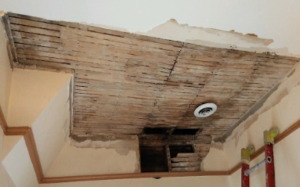
Water damage is a silent threat that, when left unaddressed, can wreak havoc on your home’s interiors and exteriors. In particular, the impact on plaster and stucco surfaces can be profound, affecting both aesthetics and structural integrity. In this blog, we will delve into the hidden dangers of water damage, shedding light on the consequences that may unfold beneath the surface.
Aesthetic Erosion: The Visible Consequences
One of the immediate and visible effects of water damage on plaster and stucco is the erosion of aesthetics. These surfaces, known for their smooth and textured finishes, can lose their charm when exposed to water infiltration. Stains, discoloration, and peeling paint become unwelcome guests, transforming once-beautiful walls into eyesores.
Structural Compromises: Beyond the Surface
While the aesthetic changes are apparent, the more insidious impact occurs beneath the surface. Water, when absorbed by plaster and stucco, compromises their structural integrity. The materials may start to swell, warp, or even crumble over time. This not only weakens the foundation of your walls but also poses a risk to the overall stability of your home.
Mold and Mildew: The Silent Invaders
Water damage creates an ideal breeding ground for mold and mildew. These hidden dangers can thrive in the damp conditions created by water-soaked plaster and stucco. Beyond the damage they cause to the materials, mold and mildew pose serious health risks to the occupants of the home. Respiratory issues and allergies are common consequences of prolonged exposure.
Foundation Undermining: Long-Term Implications
Continuous water damage can lead to the undermining of your home’s foundation. As plaster and stucco lose their structural integrity, the very core that supports your walls becomes vulnerable. Cracks may form, and the foundation may shift, resulting in costly and extensive repairs.
Preventing the Unseen: The Importance of Timely Intervention
Understanding the hidden dangers of water damage emphasizes the importance of proactive measures. Timely intervention, including regular inspections and swift repairs, can prevent the unseen consequences from manifesting. By addressing water damage promptly, you not only preserve the aesthetics of your home but also safeguard its structural soundness.
In conclusion, water damage is more than a cosmetic concern—it’s a threat that goes beneath the surface, impacting the very foundation of your home. Recognizing the hidden dangers allows homeowners to take proactive steps, ensuring that the integrity and beauty of their living spaces endure for years to come.
#WaterDamageAwareness #HiddenDangers #HomeMaintenance #StructuralIntegrity #PreventiveCare #AestheticPreservation #TimelyIntervention #MoldAndMildew #HomeSafety #ProactiveHomeownership